
Knight Foundation


About the project
As America approaches its 250th anniversary, the John S. and James L. Knight Foundation is launching a set of projects to understand how people across the country are making sense of the First Amendment and free expression in their daily lives. This project focuses on small-group conversations in ten communities around the country, grounding free expression in the real experiences of everyday Americans.
Free expression means different things to different people. For some it calls to mind legal battles or political debates. But these conversations are spaces for personal stories, in everyday language, from people who don’t typically get asked.
Conversations will explore questions like:
Cortico will listen carefully, working to surface insights about this core democratic value that can inform a shared understanding of the American experience today
Sign up here
Cortico, a national nonprofit dedicated to bringing underheard voices into public life, is leading this effort in partnership with Knight Foundation.
Cortico brings people together in recorded small-group conversations. Through a balance of human listening and technology, Cortico helps partners make sense of what they hear, surfacing patterns, themes, and insights across conversations while keeping real voices at the center. The result is a living record of what communities are saying in their own words.
Cortico has worked with 300+ partners across the country, in cooperation with MIT’s Center for Constructive Communication.
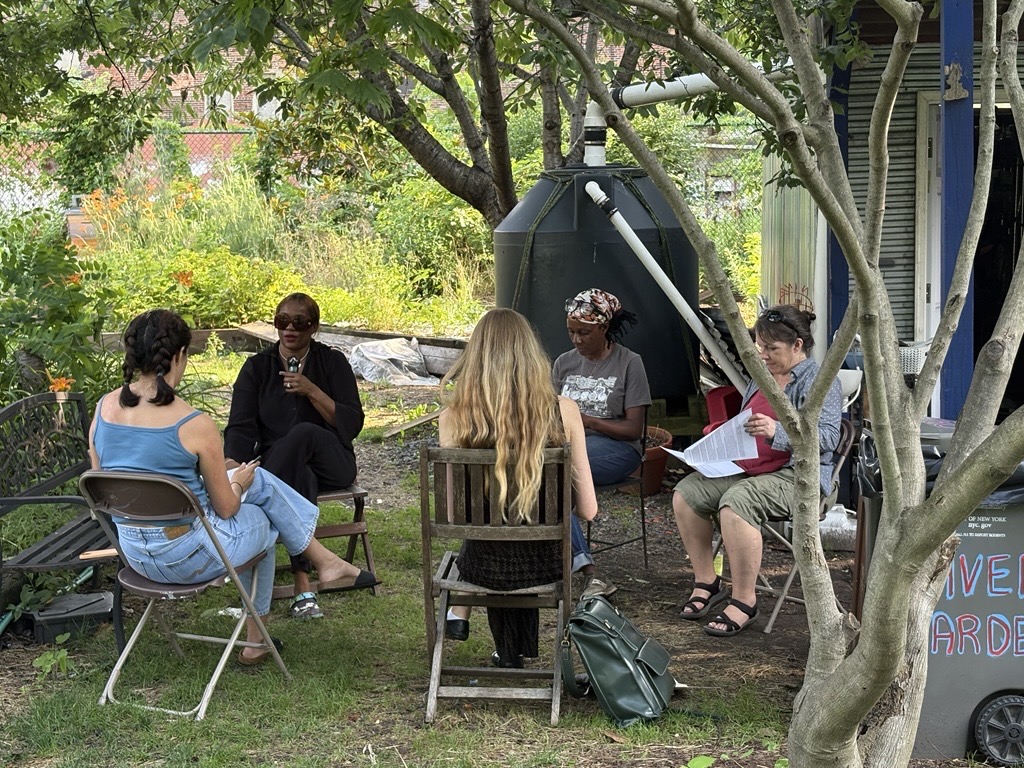
We’re looking for organizations that already bring people together and want to elevate voices from across their community. By joining this project, your community’s stories become part of a national record that will be used to understand free expression in this moment.
This work is taking place across ten communities where Knight Foundation is active:


Cortico handles everything else: training, technology, recording, analysis, and outputs.
Note on timeline: Facilitator orientation runs in early May, with conversations hosted through May and June. The full commitment wraps by the end of June.
Beyond contributing your community’s voices to a national record on free expression, here’s what your participation includes:
Sign up & nominate your facilitator here
Sign-up Deadline: May 1, 2026
Have questions first? Reach out anytime at programs@cortico.ai.
For Facilitators
Participants meet in small groups — usually 4–6 people — for about 90 minutes. As a trained facilitator from your community, you will learn to guide the conversation using open-ended questions. There’s no agenda to push and no right answers, but we’ll provide suggested conversation guides for best practices.
Conversations explore how people navigate everyday moments of speaking up or holding back — in their communities, at work, online, and at home. Topics are drawn from lived experience: when people feel comfortable speaking up, when they don’t, what shapes that, and why it matters. Conversations are recorded, but participants decide what they’re comfortable sharing.
Training Dates
May 11th 3-4:30pm EST
May 12th 12-1:30pm EST
May 14th 6-7:30pm EST
 Facebook
 Twitter
 LinkedIn
